
Simple Morning Routines for a Calmer Countryside Day
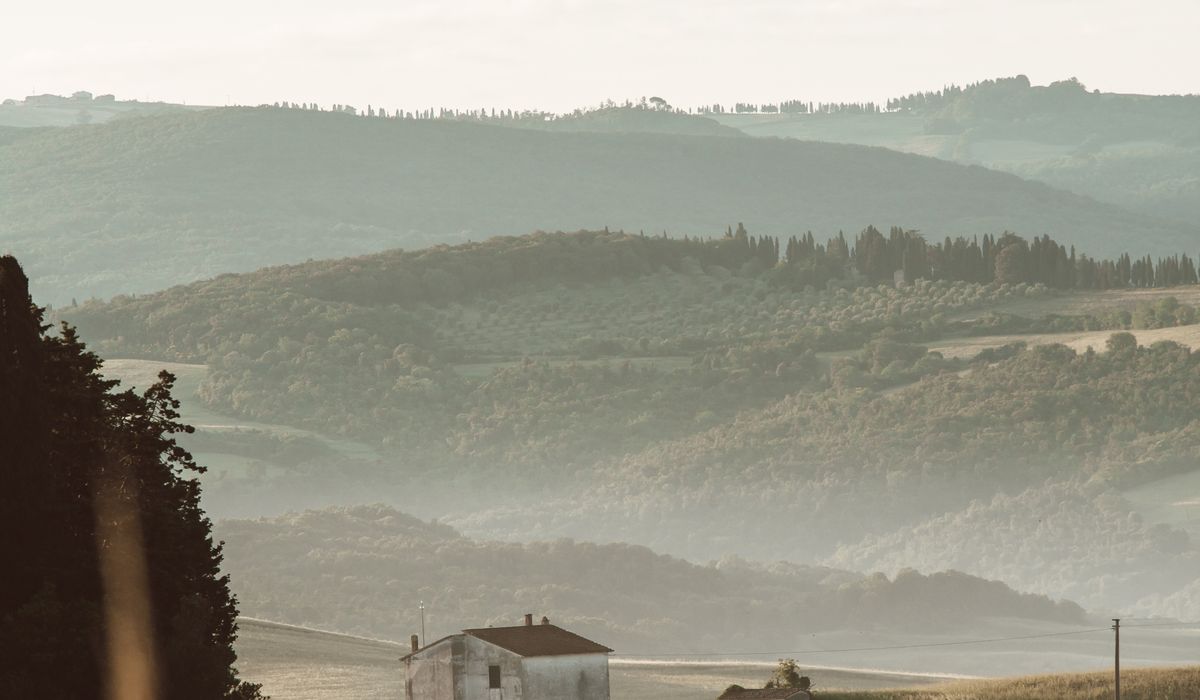
There is a particular stillness to a British countryside morning. Perhaps it is the mist settling in the valley, or the first blackbird singing from the hedge. Slow living does not demand a radical overhaul. It asks only that you begin the day with attention. These simple routines take minutes, yet they steady the mind and body for whatever lies ahead.
Waking Without the Rush
The first moments after waking set the tone. Instead of reaching for your phone, lie still for a minute. Let your eyes adjust to the room. Listen: is it rain on the window, or the low hum of a distant tractor? Notice the weight of the duvet. Then stretch gently.
- Roll your ankles five times in each direction, then curl and spread your toes.
- Take three slow breaths, letting your belly rise and fall.
- Name one thing you can hear — a robin, a car, the wind in the eaves.
This tiny pause prevents the day from rushing at you. You are not yet solving anything. You are simply arriving.
Let the Light In
When you are ready, open the curtains fully. Not a crack — a wide welcome. Natural light, even on a dreich morning, tells your body it is time to be awake. Stand by the window for a moment.
Look at one specific thing: the shape of a bare branch, the way rain beads on the glass, a single cloud moving east. This is not idle gazing. It is a gentle anchor for your attention.
In winter, when dawn comes late, switch on a warm lamp rather than a harsh overhead light. The goal is softness, not stark brightness.
A Few Quiet Minutes by the Window
This is the heart of the routine. Make a cup of tea — or just a glass of water — and sit by the window. No phone, no radio, no podcast. Five minutes is enough. Ten is generous.
If you live near fields or woods, watch for movement: a squirrel, a pheasant, the sway of long grass. If your view is a garden or a street, notice the same. The practice is the same: you are letting the world be as it is while you simply breathe.
- Breathe in for a count of four, out for a count of six. Repeat ten times.
- If your mind wanders, name what you see — 'robin', 'fence', 'grey sky' — and return to the breath.
- Set no goal beyond these few minutes.
This quiet window time lowers the morning's cortisol spike. It also reminds you that you are part of a wider landscape, not just a to-do list.
Step Outside, Even Briefly
Before breakfast, if you can, step outside. A garden, a doorstep, a balcony — any threshold will do. The British weather is rarely perfect, which is precisely the point. You are not waiting for sunshine.
- Feel the air on your face for thirty seconds. Notice temperature, dampness, wind.
- Walk to the end of your path or lane if time allows. Look for one sign of the season: frost on a leaf, a new bud, fallen acorns.
- Touch something natural — a stone, a tree trunk, a handful of soil. This grounds you physically.
Even three minutes outside supports vitamin D, regulates your sleep cycle, and shifts perspective. If it is raining hard, stand under the porch and listen. The sound alone is a balm.
A Slow Breakfast and a Gentle Plan
Back inside, eat something warm and simple. Porridge with a spoon of jam, toast and butter, a bowl of yoghurt and berries. Sit down. Chew slowly. Avoid scrolling.
When you finish, take a small notebook or a scrap of paper. Write three things:
- One task that truly matters today — not ten.
- One pleasure you will allow yourself — a walk at lunch, a chapter of a book.
- One pause — a moment to stop and breathe before the afternoon slump.
This is not a productivity system. It is a kindness. You are telling yourself that the day has shape, but not rigidity.
Carry the Calm Into the Day
No morning routine is perfect. You will forget, rush, or wake up late. The countryside teaches us that seasons shift. In summer, you might open the window at five and hear the dawn chorus. In winter, you might stay under the covers a little longer. That is fine.
The point is not to perform these rituals flawlessly. The point is to return to them. When you notice tension in your shoulders at midday, close your eyes and remember the window. When you feel scattered, step outside for sixty seconds. Slow living is not a destination; it is a practice of coming back.
So tonight, set your alarm ten minutes earlier. Tomorrow, open the curtains wide. Sit by the window with your tea. The countryside is already there, waiting. You only need to meet it with a quiet mind.
tag: Wellbeing

James Whitaker Author
Walking with attention can turn a familiar path into a restorative practice. Notice the air, the ground and the changing light around you.
YOU MAY ALSO LIKE

How to Create a Mindful Walk in Any Weather
Sep 21
10Growing a few herbs and vegetables connects meals to the rhythms of the year, even in a modest outdoor space or sunny windowsill.
read more
Seasonal Eating from a Small Kitchen Garden
Sep 18
10A comfortable chair, soft lighting and a nearby shelf can create a peaceful retreat for slow afternoons and quiet evenings indoors.
read moreMindfulness
-

ERRIC CATONA
Turning off screens an hour before bed helps the mind unwind naturally. Try reading, stretching or listening to gentle music instead.
May 19, 2016 at 5.12 pm
Reply
ERRIC CATONA
Learn to identify a few easy species with confidence, follow local rules and leave plenty behind for wildlife and future growth.
May 19, 2016 at 5.12 pm
Reply -
ERRIC CATONA
Mint, thyme and chives thrive in containers on a patio or balcony. Water little and often, and harvest sprigs as needed.
May 19, 2016 at 5.12 pm
Reply
Slow Living
Your email address will not be published.