
The Gentle Art of Letter Writing to Friends
Why slow letters still matter
A letter asks for something the rest of the day rarely offers: twenty unhurried minutes, a flat surface, and a mind willing to move at the speed of a pen. Handwriting cannot be rushed without turning into a scrawl, and that small friction is exactly what makes it valuable. It slows the pulse of thought, gives you time to choose your words, and leaves your friend with something physical — a sheet of paper that has been folded, addressed and carried down the lane to the postbox.
There is attention in it too. Writing a few lines to someone is a quiet act of noticing: what they mentioned last time you spoke, what this month might be holding for them, the daft joke only the two of you find funny. In a world of instant replies, a letter says something different. It says: I thought about you when you were not in front of me.
None of this requires talent or a great deal of time. It requires only a willingness to be a little slower than usual, which, in a life lived close to the seasons, is not such a stretch.
Choosing paper, pen and a place to write
Good stationery is not about expense; it is about pleasure. A pen that glides rather than scratches, and paper that takes ink without feathering, will do more for your letter-writing habit than any amount of resolve. Keep everything in one place so the small friction of hunting for an envelope never becomes a reason to put it off.
- A pad of cream or soft white writing paper, with envelopes to match
- One reliable pen you enjoy holding, plus a spare
- A few second-class stamps kept in the tin or box, so a finished letter can go straight out
- A notebook or index card of addresses, kept with the paper
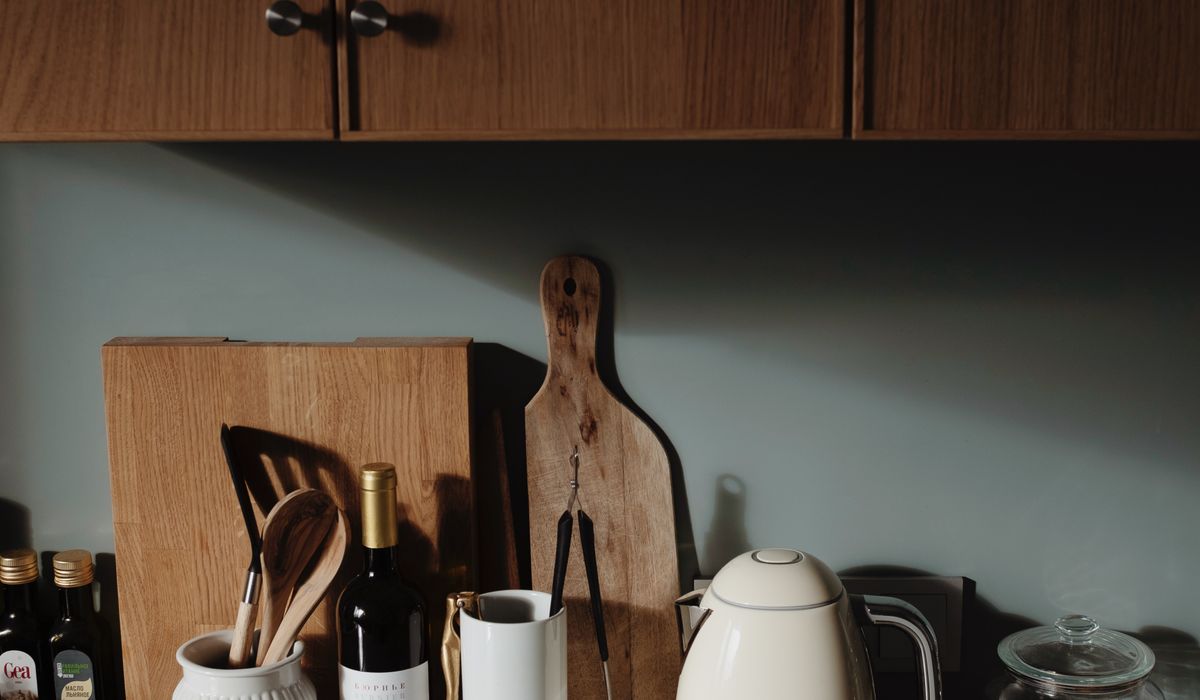
- A clear corner of the kitchen table, a decent lamp, and a mug of tea within reach
Where you write matters less than you might think, but it should be somewhere you are happy to sit for a quarter of an hour. A kitchen table after the breakfast things are cleared, a desk by a window, a bench in the garden on a mild afternoon — all fine. The countryside offers its own encouragement: the light changing over the fields, a blackbird turning the leaf litter, rain on the glass. Let the view supply the first sentence if you are stuck.
What to say when the page feels blank
The fear of having nothing to report stops more letters than anything else. It should not, because a letter is not a news bulletin. A hundred and fifty words is plenty. A postcard counts. If you are unsure how to begin, borrow one of these openings.
- Start with the season. The first frost on the lawn, the hedgerows heavy with sloes, the evenings drawing in — weather is a shared language and a gentle way in.
- Say what you have been doing, plainly. Repainting the back door. Reading a novel you cannot put down. Walking the same footpath every morning and noticing it change.
- Ask one real question. Not "how are you?" but "did the allotment survive the winds?" or "how did the interview go?"
- Share one small thing. A line from something you read, a recipe that worked, the name of the bird you have finally learned to recognise.
- Close warmly and date it. A date gives the letter a place in time, and makes it a little archive of an ordinary day.
Small rituals that make it easier to keep going
Habits survive on rhythm rather than enthusiasm. Pick an evening — a Sunday, perhaps, when the week has not yet tightened its grip — and write one letter. Not five. One. If the mood takes you, write another, but never set the bar where a busy week will knock it down.
Keep the mechanics simple. Write as you would speak, and if a sentence goes wrong, strike it through rather than starting again; crossings-out are part of the charm. Fold the page neatly, run your thumb along the crease, and write the address clearly with the postcode on its own line. Slip a folded card and a stamp into your bag for waiting rooms, train journeys and cafés, where a few spare minutes are often easier to find than a clear hour at home.
Send without expectation
This is the heart of the gentle art. Send your letter and let go of it. Do not keep score, do not wait by the door for a reply, and do not apologise for having taken so long to write — a letter that arrives is a gift, not a debt. Some letters land at exactly the right moment; others are simply a warm hello, and that is reason enough.
If you hear nothing back, assume the best: that it was read on a difficult morning, that it was smiled over, that a reply is sitting half-written in someone else's drawer. You might even say so in the letter itself — no need to reply, I just wanted you to know I was thinking of you. Removing that obligation can be the kindest line on the page.
Letters and the turning year
Living slowly in the countryside gives you a natural calendar for correspondence. Write in January, when the year is quiet and the evenings long. Send a seed packet in March with a note about what you are planting. Press a leaf or a dried stem from a summer walk between the pages in September. Post a card from a seaside town in August, with sand in the crease if you can manage it.
Four letters a year, one at each turn of the season, is a modest ambition and a generous one. Over a decade it becomes a shared record: the winters you both got through, the gardens that flourished and failed, the children and dogs and houses that changed. All of it kept in a shoebox or a bundle tied with string, in someone's hand you would know anywhere.
So choose a pen, find a corner of the table, and write a few lines to a friend this week. Not a masterpiece — just a small, deliberate pause, sent out into the world with no expectation at all.
tag: Slow Living

Emily Hartley Author
Shorter days affect many people. A regular wake time, outdoor light and cosy evening rituals can support mood through winter.
YOU MAY ALSO LIKE
Seasonal Affective Disorder and Gentle Light Routines
Jun 27
10Begin your day with gentle rituals that steady the mind and body, from opening the curtains to a few quiet minutes by the window.
read more
Simple Morning Routines for a Calmer Countryside Day
Sep 24
10Walking with attention can turn a familiar path into a restorative practice. Notice the air, the ground and the changing light around you.
read moreMindfulness
-

ERRIC CATONA
Growing a few herbs and vegetables connects meals to the rhythms of the year, even in a modest outdoor space or sunny windowsill.
May 19, 2016 at 5.12 pm
Reply
ERRIC CATONA
A comfortable chair, soft lighting and a nearby shelf can create a peaceful retreat for slow afternoons and quiet evenings indoors.
May 19, 2016 at 5.12 pm
Reply -
ERRIC CATONA
Turning off screens an hour before bed helps the mind unwind naturally. Try reading, stretching or listening to gentle music instead.
May 19, 2016 at 5.12 pm
Reply
Slow Living
Your email address will not be published.