
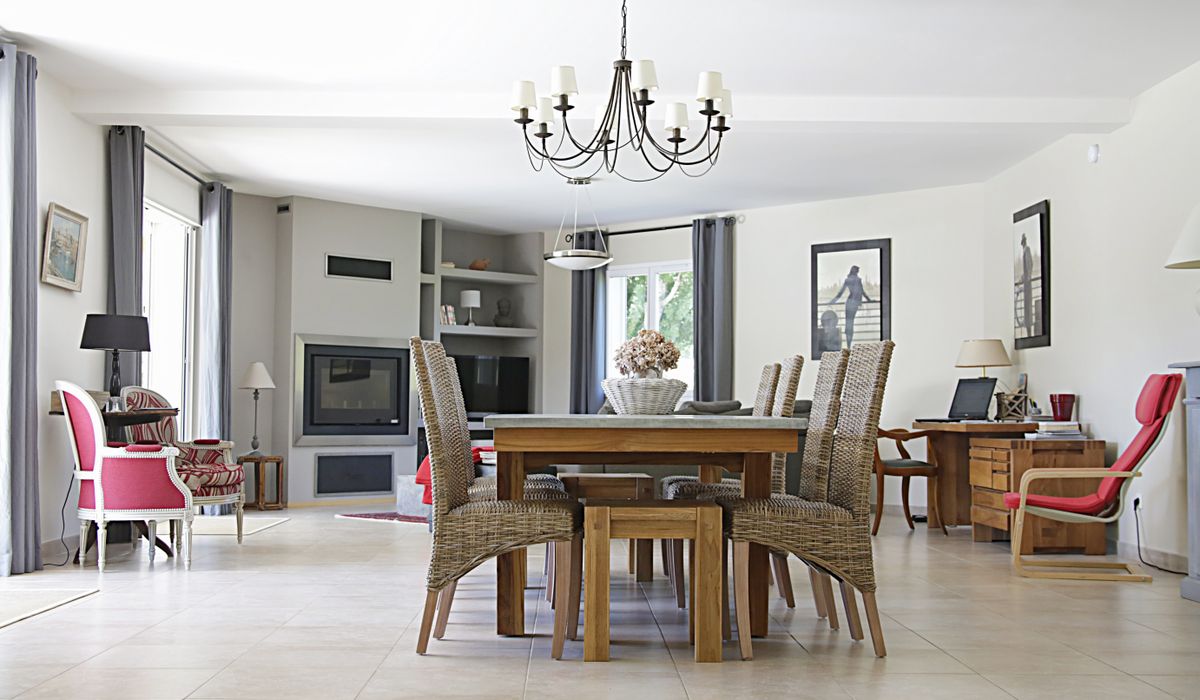
Creating a Calm Home Office with Natural Light
Start with the Light You Already Have
Before you move a single piece of furniture, spend a week noticing how daylight actually behaves in the room where you work. That is the quiet starting point of a calm home office — not a shopping list, but attention. A south-facing room in a stone cottage will flood with light for most of the day and feel warm by mid-morning; a north-facing spare bedroom will give you a cool, steady, almost shadowless light that many people find easier to work in than they expect.
East-facing rooms are bright and brisk early, then dim quietly after lunch. West-facing rooms are slow to wake but glorious from about four o'clock, though that low afternoon sun can be uncomfortably direct. Once you know which one you have, you can stop fighting it and start working with it. Make a note of when the room feels best and when it feels strained, then plan your most demanding tasks for the good hours.
Sit Sideways to the Window, Not Facing It
The single most useful adjustment is to place your desk so you sit at roughly ninety degrees to the window. Light then falls across your desk and your hands, rather than into your eyes or onto your screen. You get the brightness and the view out of the corner of your eye without the glare and deep shadow that come from sitting square-on.
Facing the window directly seems romantic, but it leaves your face in silhouette, makes video calls difficult and forces your eyes to work harder against the light. Sitting with your back to the window is worse still: you cast a shadow over everything you write, and the screen reflects the whole room behind you.
A few practical touches make the difference:
- Leave a gap of around 60–90 cm between your chair and the glass, so you get the light without the draught.
- Keep the desk clear of the radiator — rising heat dries the air and makes the space feel stuffy by mid-afternoon.
- Hang a linen or cotton blind rather than a heavy curtain, so you can soften harsh midday sun without shutting the day out altogether.
- Angle your monitor slightly away from the window and tilt it back a few degrees to reduce reflections.
Add a Plant, Then Add Another
Nothing shifts the mood of a room as cheaply as something green and alive. In a warm, centrally heated British home, plants do double duty: they soften the hard lines of a desk and return a little humidity to air the radiators have dried out.
Some reliable companions for a home office:
- The spider plant and devil's ivy — forgiving, happy in indirect light, and quick to forgive a forgotten watering.
- The snake plant — architectural, tolerant of a dim corner, and content with very little attention.
- Herbs on the windowsill — rosemary, thyme or mint. Useful as well as lovely, and the scent is a small daily pleasure.
- A peace lily or Christmas cactus — good in rooms with gentler light and a bit of character about them.
Keep them close enough to touch. A plant on the far side of the room is decoration; a plant within arm's reach is company. Wipe the leaves every few weeks, turn them a quarter turn now and then, and water less in winter than you think you should.
Choose Textures That Feel Like the Outdoors
Natural materials settle a room in a way that glossy finishes never quite manage. You do not need to redecorate — a handful of small changes will do it.
- A wool throw over the back of the chair, for the cold mornings that arrive without warning.
- A wooden desk mat, or a simple oak tray to gather pens and paper.
- A linen pinboard instead of a plastic one, or a wicker basket for the things that have no home yet.
- A stoneware mug rather than a thin office cup — a small ritual that makes a break feel like a break.
Keep the palette quiet: moss, clay, oatmeal, slate, a little brass. These are the colours of a hedgerow in November, and they sit comfortably together without effort.
Clear the Clutter, Gently
Every object in your field of view asks something of your attention, however faintly. That is why a clear desk feels restful even before you start working. Try to keep the surface itself almost bare, with two or three things you genuinely like: a plant, a mug, perhaps a stone or a piece of driftwood from a walk.
Everything else needs somewhere to go. A single shallow tray for paper that still needs dealing with. A cable tidy or two so the leads stop tangling at your feet. One drawer — and only one — for the things you do not want to decide about today.
Then build in a short reset. Ten minutes on a Friday afternoon, or five at the end of each day: rinse the mug, straighten the tray, close the notebook. Arriving at a tidy desk on Monday morning is one of the least expensive forms of kindness you can offer yourself.
Work with the Seasons, Not Against Them
British light is generous in May and mean in December, and a calm home office changes with it rather than pretending otherwise. In winter, put a warm lamp on a timer so the room is lit before you sit down, move your chair a little closer to the window, and — most importantly — go outside at midday. No desk lamp matches fifteen minutes of real daylight on your face.
In summer, close the blind on a south-facing window by late morning, and open the window for five minutes in the early evening to clear the air. In spring and autumn, keep a light jumper to hand and let the changing weather in through the glass. Small adjustments, made again and again through the year, are what slow living in a working week actually looks like: not a perfect room, but one that meets you kindly each morning.
tag: Home Comforts

Oliver Radcliffe Author
Sketching a leaf or noting bird song trains attention and builds a record of small changes across the seasons.
YOU MAY ALSO LIKE

The Joy of Keeping a Nature Journal
Aug 7
10One-pot meals made with root vegetables and pulses warm the kitchen and the body. Prepare ahead and let time do the work.
read more
Slow Cooking for Cold British Evenings
Aug 4
10Small changes such as planning meals, mending clothes and composting food scraps can lessen your impact without adding stress.
read moreMindfulness
-

ERRIC CATONA
These historic buildings offer cool silence, interesting architecture and a chance to sit still away from busy daily life.
May 19, 2016 at 5.12 pm
Reply
ERRIC CATONA
A window, a notebook and a simple feeder are enough to start. Learn the common visitors and note their habits through the year.
May 19, 2016 at 5.12 pm
Reply -
ERRIC CATONA
Gentle stretches for the hips, calves and shoulders can ease tension after a long ramble and help you recover with comfort.
May 19, 2016 at 5.12 pm
Reply
Slow Living
Your email address will not be published.