
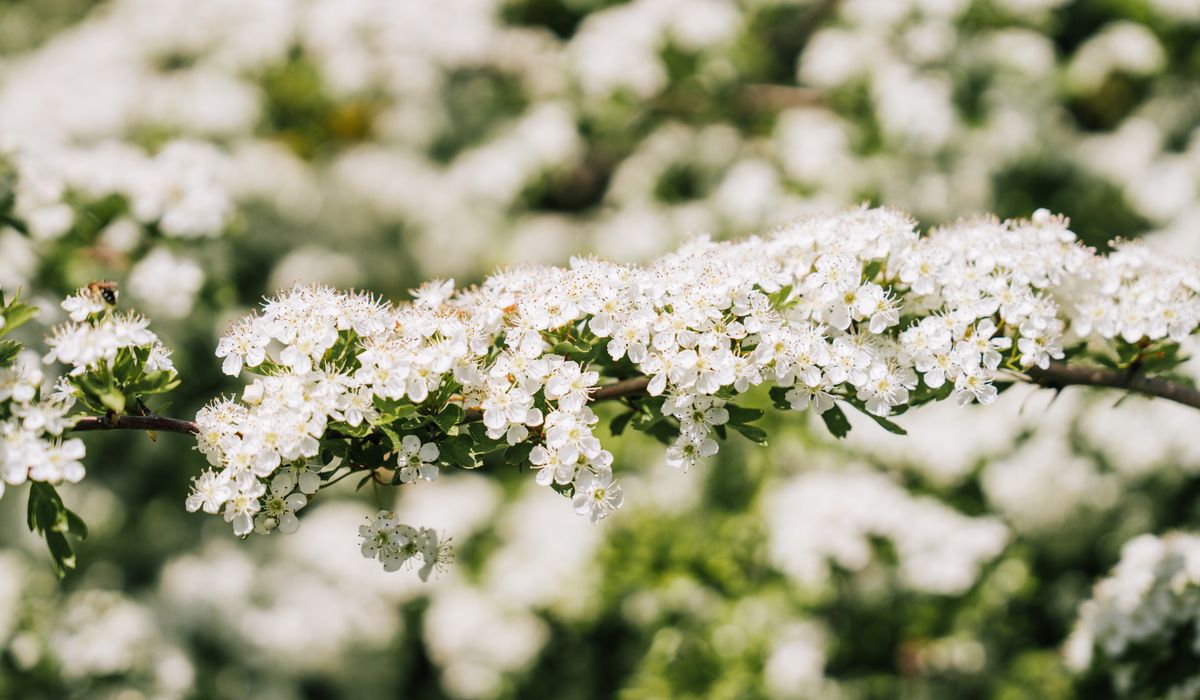
How to Make Elderflower Cordial at Home
Why elderflower cordial is a slow-living ritual
In late May and early June, the British countryside does something quietly magical. The hedgerows froth with creamy-white elderflowers, their scent drifting across lanes and field edges like a promise of warmer days. Making elderflower cordial is one of the simplest ways to bring that moment home. It asks for a basket, a sunny morning, a little patience, and a willingness to let the season set the pace.
This is slow living in its most everyday form. You are not racing a supermarket shelf or chasing a trend. You are paying attention to a narrow window of weeks, then turning a few handfuls of blossom into something that will flavour summer drinks for months. The process is gentle: steep, strain, bottle. The reward is a taste of the hedgerow that feels both nostalgic and entirely current.
It also does something good for everyday wellbeing. Foraging gets you outdoors, away from screens, moving at walking pace. The concentration required to identify the right flowers is a kind of mindfulness. And the finished cordial, diluted with sparkling water or stirred through yoghurt, is a small daily pleasure that reminds you of the countryside even on a busy Tuesday.
Foraging responsibly: where and when to pick
Elderflower season in the UK usually runs from mid-May to early June, depending on where you are. The south may be earlier; northern and upland areas later. You want flowers that are fully open, creamy and fragrant, not brown at the edges or turning to berries. A dry, sunny morning after a few rain-free days is ideal, as the scent and nectar are at their best.
Pick from abundant hedgerows, woodland edges and waste ground where you have permission. Never strip a bush bare. A good rule is to take no more than one or two heads from any single elder, leaving plenty for wildlife and for other foragers. Avoid busy roadsides, railway embankments, sprayed farmland and private land without permission. Also avoid lower branches where dogs may have been, and always check for insects before you drop the flowers into your basket.
- Timing: late May to early June, dry morning, flowers fully open.
- Location: quiet hedgerows, field edges, allotments with permission.
- Quantity: a few heads per bush, never all of them.
- Avoid: roadsides, sprayed land, railway lines, protected sites.
- Respect: leave no trace, close gates, take only what you need.
What to look for (and what to avoid)
Elder (Sambucus nigra) is a shrub or small tree with opposite, pinnate leaves and flat-topped clusters of tiny white flowers. The flower heads are umbel-like, often 10–20cm across, and have a sweet, musky, almost elderflower-cordial scent. The leaves have a distinctive, slightly unpleasant smell when crushed. The stems are woody and grey-brown, often hollow.
Take a good field guide or a reliable foraging app with you, and if you are new to foraging, go with someone experienced. Elderflowers are fairly distinctive, but you should still be certain. Avoid any flower heads that are brown, wilting, or covered in blackfly. Do not confuse elder with other white-flowered shrubs such as rowan or hawthorn, which have different leaf shapes and flower structures. If in doubt, leave it out.
- Flowers: creamy white, tiny, in flat-topped clusters.
- Leaves: opposite, pinnate, with a strong green smell when crushed.
- Scent: sweet and floral, not unpleasant or faint.
- Avoid: brown flowers, heavy insect damage, dusty roadside plants.
The recipe: ingredients and method
This makes about 1.5 litres of cordial, enough to fill three 500ml bottles. You will need a large pan, a fine sieve, muslin or a clean tea towel, and sterilised bottles.
- 30–40 fresh elderflower heads, picked over and de-stalked as much as possible
- 1.5kg granulated sugar
- 1.5 litres water
- 2 unwaxed lemons, sliced
- 30g citric acid (available from chemists or home-brew shops)
Step 1: Shake the elderflower heads gently to remove insects, then trim away as much green stalk as you can. A few tiny stems are fine, but too many can add a bitter, grassy note. Put the flowers into a large bowl or pan.
Step 2: Add the sliced lemons and citric acid. The citric acid helps preserve the cordial and keeps the flavour bright, so don’t skip it if you want a longer shelf life.
Step 3: Make a syrup by heating the water and sugar in a pan, stirring until the sugar has completely dissolved. Bring it just to the boil, then pour it over the elderflowers and lemons.
Step 4: Cover the pan with a clean cloth and leave it to steep for 24 to 48 hours. Stir once or twice a day. The longer it steeps, the stronger the flavour, but after 48 hours it can start to taste dull or slightly bitter.
Step 5: Strain the liquid through a fine sieve lined with muslin or a clean tea towel. Do this slowly, without pressing the flowers, so the cordial stays clear. Pour into sterilised bottles and seal.
Bottling, storing and everyday ways to enjoy it
Store your cordial in the fridge. It will keep for around six weeks, or up to three months if you used citric acid and sterilised your bottles properly. For longer storage, freeze it in ice-cube trays, then transfer the cubes to a freezer bag. A cube or two dropped into a glass of sparkling water is a brilliant instant summer drink.
- Sterilise: wash bottles in hot soapy water, rinse, then dry in a low oven or use a sterilising solution.
- Fridge: keep sealed and use within six weeks for best flavour.
- Freezer: freeze in cubes for up to six months.
- Serve: dilute with still or sparkling water, about one part cordial to five parts water.
- Enjoy: drizzle over yoghurt, porridge or vanilla ice cream, or add to a gin and tonic.
For a simple everyday wellbeing boost, make a jug of elderflower cordial with sparkling water, plenty of ice, mint leaves and a few slices of cucumber. It is cooling, fragrant and far more interesting than a plain glass of squash. You can also use it to sweeten iced tea or a fruit salad dressing.
A few final notes for a happy batch
Elderflower cordial is forgiving, but a few details make a real difference. If your cordial turns cloudy, it is usually harmless — it may just be tiny flower particles or a little natural sediment. If it starts to fizz or smell yeasty, it is fermenting; discard it and start again with properly sterilised equipment and more citric acid.
- Too sweet: add a little more lemon juice or citric acid to taste before bottling.
- Too bitter: you may have included too much green stalk; use less next time.
- Fermenting: keep everything spotlessly clean and store in the fridge.
- Weak flavour: use more flower heads or steep for the full 48 hours.
Above all, enjoy the process. Making elderflower cordial is a way of marking the turning of the year, of noticing what is growing just beyond your doorstep, and of carrying a little of the British countryside into your kitchen. One batch, made slowly on a bright late-spring day, can sweeten the whole summer ahead.
tag: Seasonal

Emily Hartley Author
A single poem read slowly can shift your mood and deepen attention. Keep an anthology near your favourite chair.
YOU MAY ALSO LIKE
Reading Poetry as a Daily Mindfulness Practice
Jul 7
10A shallow water dish, native flowers and a log pile can welcome birds, bees and hedgehogs without costly landscaping.
read more
Creating a Wildlife-Friendly Garden on a Budget
Jul 4
10Putting pen to paper slows thoughts and strengthens bonds. Choose nice stationery and send a few lines without expectation.
read moreMindfulness
-

ERRIC CATONA
Shorter days affect many people. A regular wake time, outdoor light and cosy evening rituals can support mood through winter.
May 19, 2016 at 5.12 pm
Reply
ERRIC CATONA
Begin your day with gentle rituals that steady the mind and body, from opening the curtains to a few quiet minutes by the window.
May 19, 2016 at 5.12 pm
Reply -
ERRIC CATONA
Walking with attention can turn a familiar path into a restorative practice. Notice the air, the ground and the changing light around you.
May 19, 2016 at 5.12 pm
Reply
Slow Living
Your email address will not be published.