
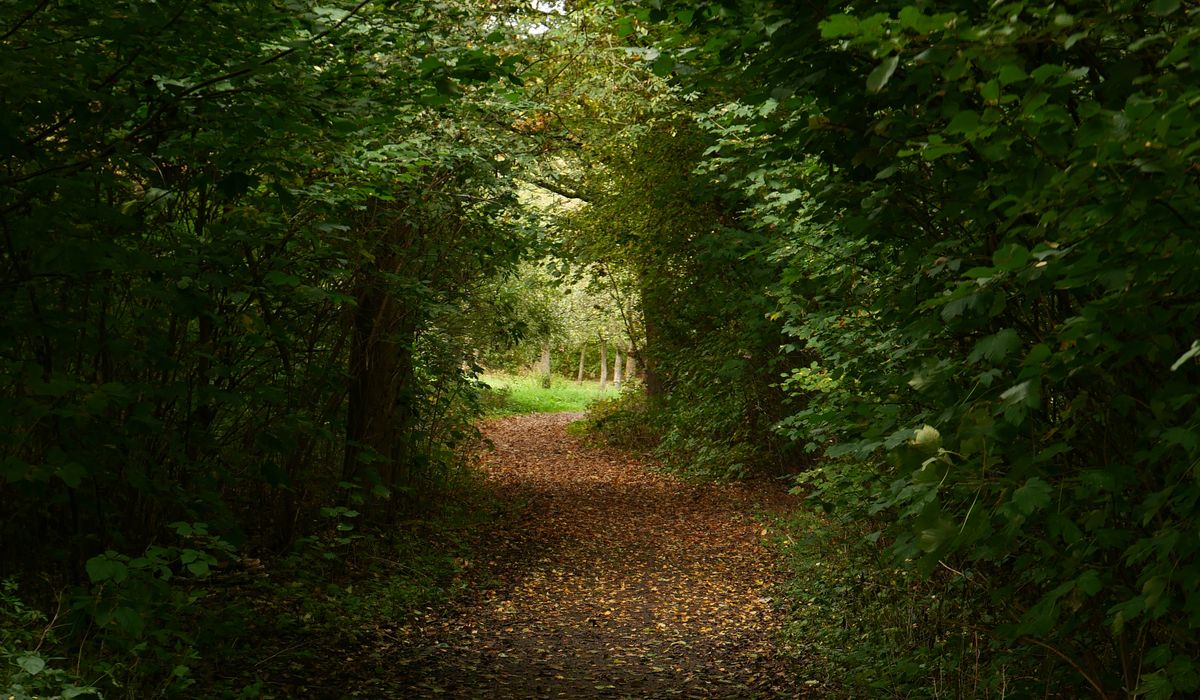
Foraging Safely for Common British Wild Plants
The rules: what you may and may not pick
Foraging in Britain is legal, but it is not a free-for-all. In England and Wales, picking wild flowers, fruit, foliage and fungi for your own personal use is not treated as theft — but uprooting any wild plant without the landowner's permission is an offence under the Wildlife and Countryside Act 1981. In Scotland, the Land Reform (Scotland) Act 2003 gives a right of responsible access that includes gathering wild plants for personal consumption, again with no digging up.
That said, access and permission matter. Nature reserves, Sites of Special Scientific Interest, National Trust land, Woodland Trust woods and many council parks have their own byelaws banning or restricting picking, and commercial foraging almost always needs written consent. If in doubt, ask. A quick word with a landowner or a look at the site's notices takes seconds and keeps foraging on the right side of everyone.
Five plants to learn first
Start with species that have few convincing lookalikes, and learn them in one place, in one season, until you can recognise them half-asleep. The following are widespread, useful and reasonably safe to begin with.
- Stinging nettle (Urtica dioica) — the top four leaves of young plants, March to early June, before the plants flower. Wear gloves, take from clean patches away from paths, and blanch for a minute to remove the sting. Excellent in soup or as a substitute for spinach.
- Wild garlic or ramsons (Allium ursinum) — damp woodland, April to June. Long, soft, lance-shaped leaves growing in carpets, with a decisive garlic smell when crushed. The white star flowers are edible too. If it does not smell of garlic, do not eat it: lily of the valley and autumn crocus look similar and are poisonous.
- Elderflower (Sambucus nigra) — late May to June. Flat, creamy umbels on a shrub with opposite leaves of five to seven leaflets, and a sweet, heavy scent. Pick whole heads on a dry morning and use them the same day. Never confuse elder with anything that lacks that distinctive smell.
- Bramble or blackberry (Rubus fruticosus agg.) — August to October. Pick fruit above knee height, where dogs are less likely to have been, and well away from roadside verges.
- Sloe (Prunus spinosa) — October and November, traditionally after the first frosts. Small, round, blue-black and mouth-puckeringly sour, on thorny blackthorn bushes. Best turned into gin, jelly or ketchup rather than eaten raw.
Safety habits that keep you out of trouble
Never eat anything you cannot identify with complete certainty. That single rule prevents almost every foraging accident. Learn from someone experienced, carry a good field guide, and where possible confirm your identification with a second source before you pick. Photograph the plant in situ — leaves, stem, flower and habitat — so you can check it properly when you get home.
The umbellifer family, which includes cow parsley, is best left entirely alone until you have years of experience, because it contains some of the most poisonous plants in Britain. The same caution applies to fungi, where even experts double-check. If a plant is growing somewhere odd, or you have the faintest hesitation, leave it.
Forage with restraint: leave plenty behind
Wild plants feed birds, insects, mammals and next year's growth. Take a small share and no more — a loose rule of thumb is to harvest no more than one in twenty plants in a patch, or a third of the leaves from any single plant. Leave the roots undisturbed, leave the first and last of the season, and never strip a bush of berries; the fieldfares and redwings need them more than your freezer does.
Move on rather than returning to the same spot week after week, and pick with clean hands and clean containers. A patch you treat gently will still be there next spring.
Kit, cleanliness and a little common sense
A cloth bag or basket, a pair of gardening gloves, a small knife, a couple of paper bags and a bottle of water are plenty. Avoid plastic bags for anything that might sweat. Keep away from busy dog-walking paths, roadside verges, railway land and anywhere that may have been sprayed.
Rinse everything when you get home, and cook nettles, wild garlic and any leafy greens rather than eating them raw from the hedge. Check yourself for ticks after a day in long grass, and wash your hands before you eat.
A slow, seasonal rhythm
Foraging rewards patience more than enthusiasm. Learn one plant a month, walk the same lanes through the year, and notice how the same hedge changes from elderflower to elderberry, from hawthorn blossom to haws. Take a notebook, and write down where and when you found things — your own records will soon be more useful than any book.
The point is not to fill a basket. It is to spend an hour paying close attention to a hedgerow, to come home with something modest and honestly earned, and to leave the countryside a little richer than you found it.
tag: Nature

Oliver Radcliffe Author
Mint, thyme and chives thrive in containers on a patio or balcony. Water little and often, and harvest sprigs as needed.
YOU MAY ALSO LIKE
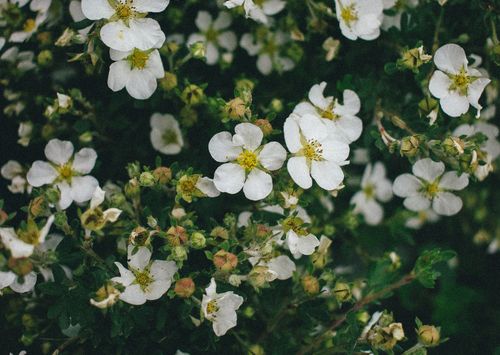
A Gentle Guide to Growing Herbs in Pots
Sep 4
10Scheduling proper downtime can improve mood, focus and resilience. Treat rest as a necessary part of a productive, balanced week.
read more
Why a Weekly Rest Day Supports Lasting Energy
Aug 31
10Old woods reward slow observation. Stay on paths, avoid disturbing wildlife and take only photographs from these quiet, fragile places.
read moreMindfulness
-

ERRIC CATONA
Gather flexible twigs, evergreen sprigs and dried seed heads to create a natural decoration that celebrates the changing season.
May 19, 2016 at 5.12 pm
Reply
ERRIC CATONA
A few slow breaths can settle a racing mind. Try lengthening your exhale and placing a hand on your chest for comfort.
May 19, 2016 at 5.12 pm
Reply -
ERRIC CATONA
Choose a short walk, a country pub lunch and an early night. Leave space in the schedule for daydreaming and unexpected detours.
May 19, 2016 at 5.12 pm
Reply
Slow Living
Your email address will not be published.